EDM Wire Erosion
EDM Wire Erosion
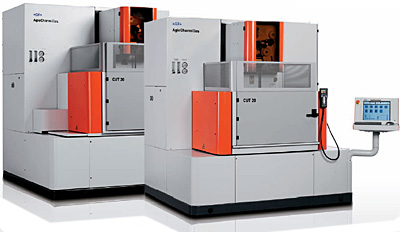
With wire electrical discharge machining, also known as wire-cut EDM, a fine single-strand metal wire, typically brass, is threaded through the workpiece, which is sunken into a tank of dielectric fluid, typically deionised water. Wire EDM is normally used to machine plates as thick as 300mm, we regularly fashion punches, general tooling, and dies from hard metals.
The dielectric fluid is used to control the resistivity and other electrical properties with filters and de-ioniser units. The liquid allows eroded debris to flow away from the cutting zone.
EDM allows for intricate detail that would be difficult to machine with traditional cutting tools, achieves extremely close tolerances on some of the world’s hardest materials and allows the workpiece to be very small – compared to traditional cutting tools that can damage a workpiece due to excess pressure.
As there is no direct contact between the tool and the work piece, delicate sections and weak materials can be machined, very fine holes can be drilled, without any distortion, and a good surface finish can be obtained.
Our Capabilities
Unique parts for the most demanding situations, from prototypes to full production runs. Our highly experienced designers will support your machining project from start to finish.
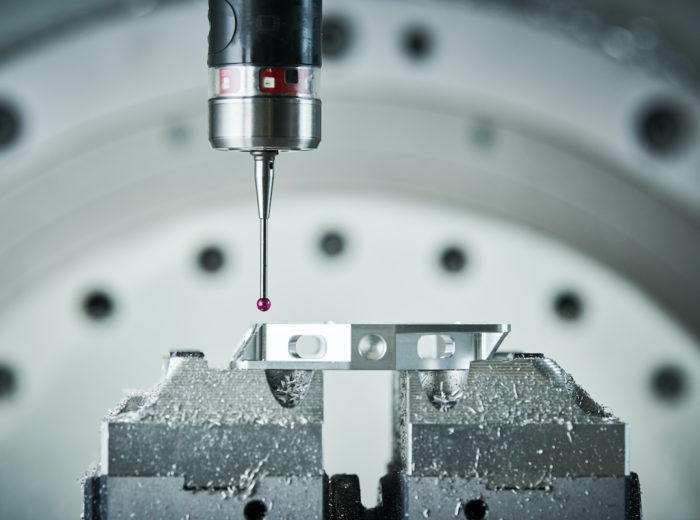
Machines
Industry wide we are recognised for our precision CNC machining, advanced infrastructure and engineering excellence
Find out moreMaterials
From Tungsten Carbide to Inconel to Aluminium and everything in between, we work with a wide range of metals
Find out more